The Best Anti-Fatigue Mats for Standing Desks — Protect Your Floors & Stay Comfortable
You bought a standing desk to move more and feel better — but standing on bare hardwood or carpet for hours is its own kind of punishment. A quality anti-fatigue mat for your standing desk can cut leg and lower back fatigue nearly in half, protect your floors from chair casters, and make those extra standing hours something you actually look forward to. This guide cuts through the noise and shows you exactly which mat is right for how you work.
Why Anti-Fatigue Mats Matter for Standing Desks
Standing desks get a lot of credit, and rightfully so — but the floor beneath you does just as much work as the desk above. Anti-fatigue mats for standing desks work by providing a subtly unstable cushioning surface that keeps your calf and leg muscles in gentle, continuous micro-movement. That movement acts as a natural circulatory pump, reducing blood pooling and joint compression — the two main causes of that deep, achy leg fatigue that drives you back to your chair an hour into standing.
Beyond ergonomics, a good mat protects your floors. Chair casters rolling over hardwood or tile daily leave marks, dents, and scratches. An anti-fatigue mat — or a hybrid anti-fatigue chair mat that covers both your sitting and standing footprint — means your floors stay looking like floors, not like a racetrack.
Cushioning reduces plantar pressure and triggers micro-movements that keep circulation active through long standing sessions.
Quality polyurethane and gel foam absorbs impact and returns energy, easing pressure on ankles, knees, and the arch of the foot.
Non-marking rubber bases guard hardwood and tile from scratches; mat tops give your rolling chair a clean surface to move on.
Terrain mats with ridges and wedges encourage heel raises and weight shifts — small movements that keep you alert and reduce static tension.
Best Standing Desk Anti-Fatigue Mats — Our Recommendations
Every mat below was selected based on construction quality, material durability, ergonomic design, warranty coverage, and real-world comfort across a range of floor types. Mr. Hippo’s picks skew toward durability and long-term value — not just whatever scores well on a one-day test.
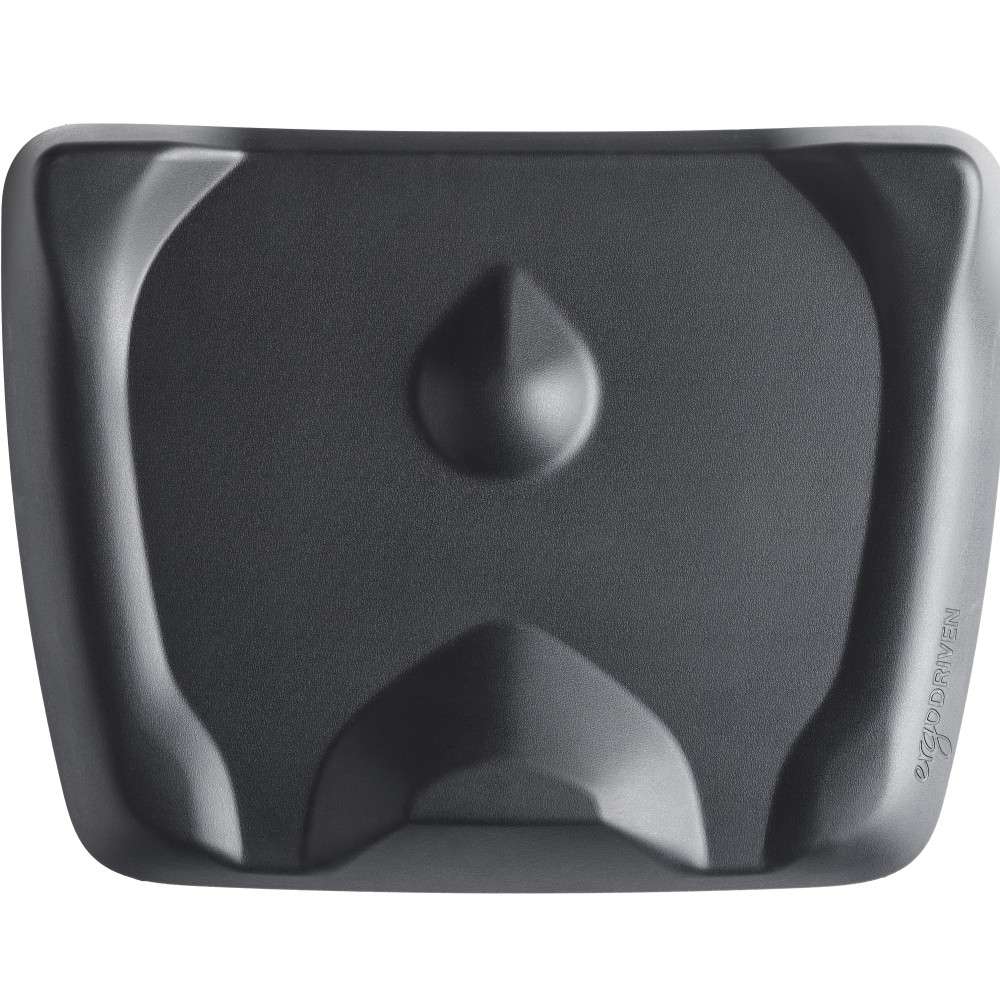
The Topo is the most celebrated standing desk anti-fatigue mat on the market — and for good reason. Its calculated terrain of ridges, slopes, and a raised center dome encourages your feet to shift, stretch, and reposition constantly without you ever thinking about it. That subconscious movement is exactly what keeps leg fatigue and lower back pain at bay during long standing sessions. It is made from dense, PVC-free polyurethane foam with an integral skin that resists scuffs and peeling, and it comes with a 7-year warranty that backs up the premium price.
- Terrain actively encourages movement
- PVC-free, durable integral skin
- Foot-push indentation for easy storage
- Physical therapist recommended
- Strong 7-year warranty
- Firmer feel — better barefoot or thin shoes
- Some models can slide on smooth hardwood
- Higher price point than flat mats
If you only buy one mat, this is it. The Topo’s terrain design is genuinely different from every flat mat on the market — you move more, you fatigue less, and your floors thank you. The foot-push storage groove is a small detail that becomes indispensable once you use it. Worth every penny for daily home office use.
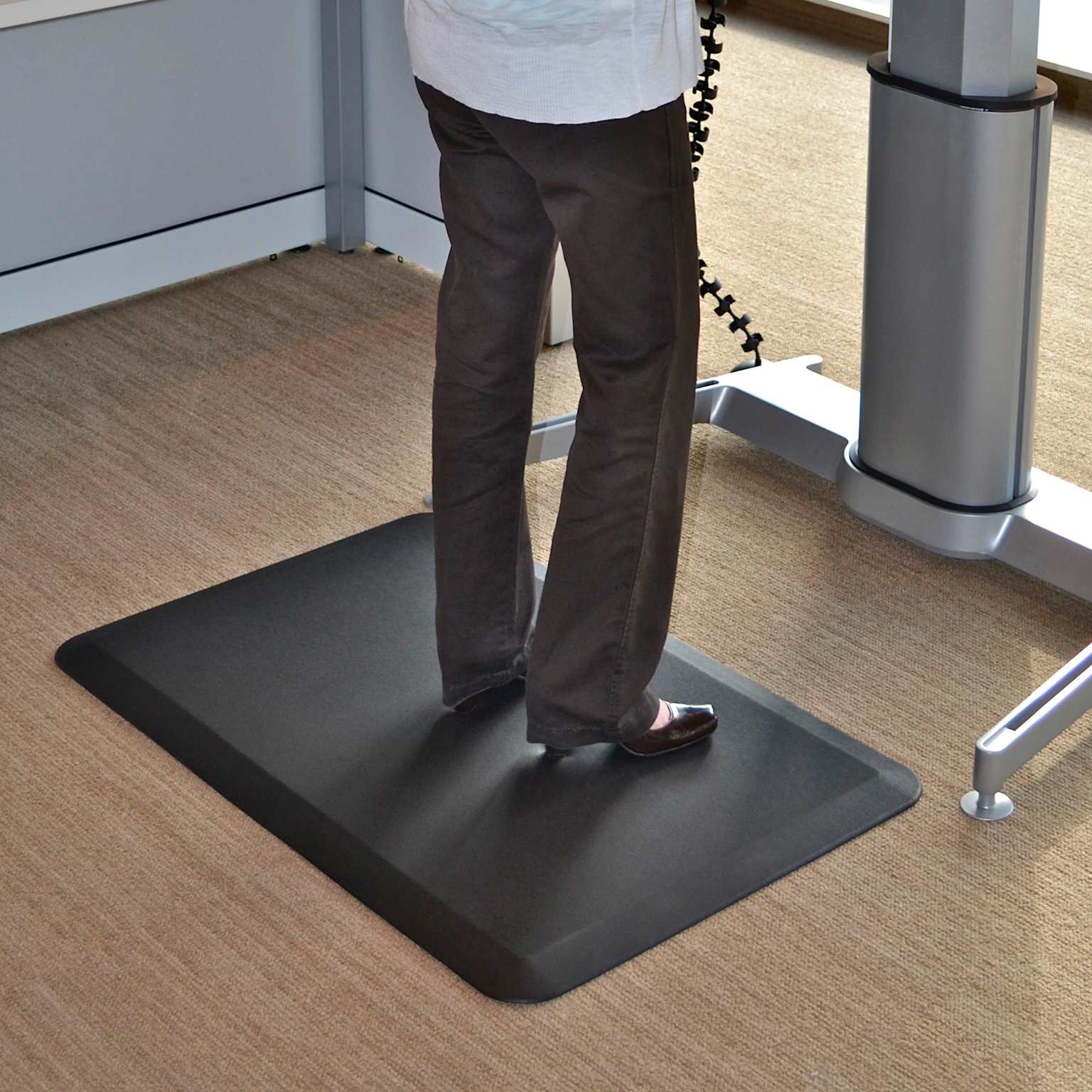
The GelPro Eco-Pro is the top-ranked flat standing desk mat for anyone who wants serious cushioning without terrain features. It is injection-molded from 100% USA-made polyurethane — a single-piece construction with no vinyl layers to peel or separate over time. The 24″ × 36″ footprint is generous enough for larger stances, and the non-slip underside holds firmly on both hardwood and carpet. Whether you are standing in dress shoes during a video call or barefoot on a Saturday morning, the Eco-Pro delivers consistent, resilient comfort.
- Single-piece construction — no peeling
- Comfortable in shoes or barefoot
- Non-slip base on hard floors
- Commercial and industrial grade
- Made in the USA
- Warranty coverage decreases after year one
- Higher price for a flat mat
- No terrain features for movement
For users who want premium flat-mat comfort without terrain features — people who stand with balance concerns, wear heels, or use the mat in both a kitchen and office — the Eco-Pro is the safest long-term investment. Single-piece polyurethane simply outlasts layered foam alternatives, and the USA manufacturing shows in the material quality.
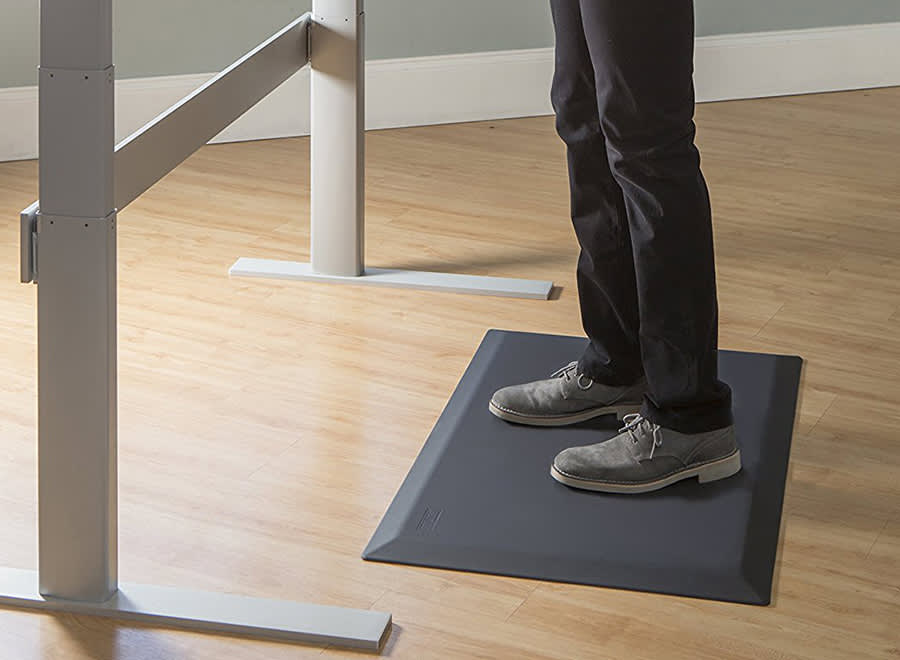
The CumulusPRO punches well above its price. Imprint’s Cushion-Core Technology uses a dense polyurethane core that is measurably thicker than most competing budget mats, and the linen-texture surface gives it a polished, professional look that blends well in a home office. What truly sets it apart is its lifetime warranty — not a replacement-only or pro-rated warranty, but a full lifetime guarantee with refund or replacement at any time. For daily heavy use, that warranty peace of mind is worth a lot.
- True lifetime warranty — full refund or replacement
- Commercial-grade density
- Attractive linen-texture surface
- Strong value vs. GelPro at lower price
- Compact 20″×30″ fits narrow desk footprints
- Surface covering may show wear over years
- Not as plush as gel-based alternatives
The CumulusPRO is the mat I recommend to anyone who wants reliable daily comfort without paying premium pricing. The lifetime warranty is genuinely backed by Imprint’s track record — and in a category where most mats degrade within two to three years, that matters enormously. Excellent pick for standing desk users who are on their feet four or more hours a day.
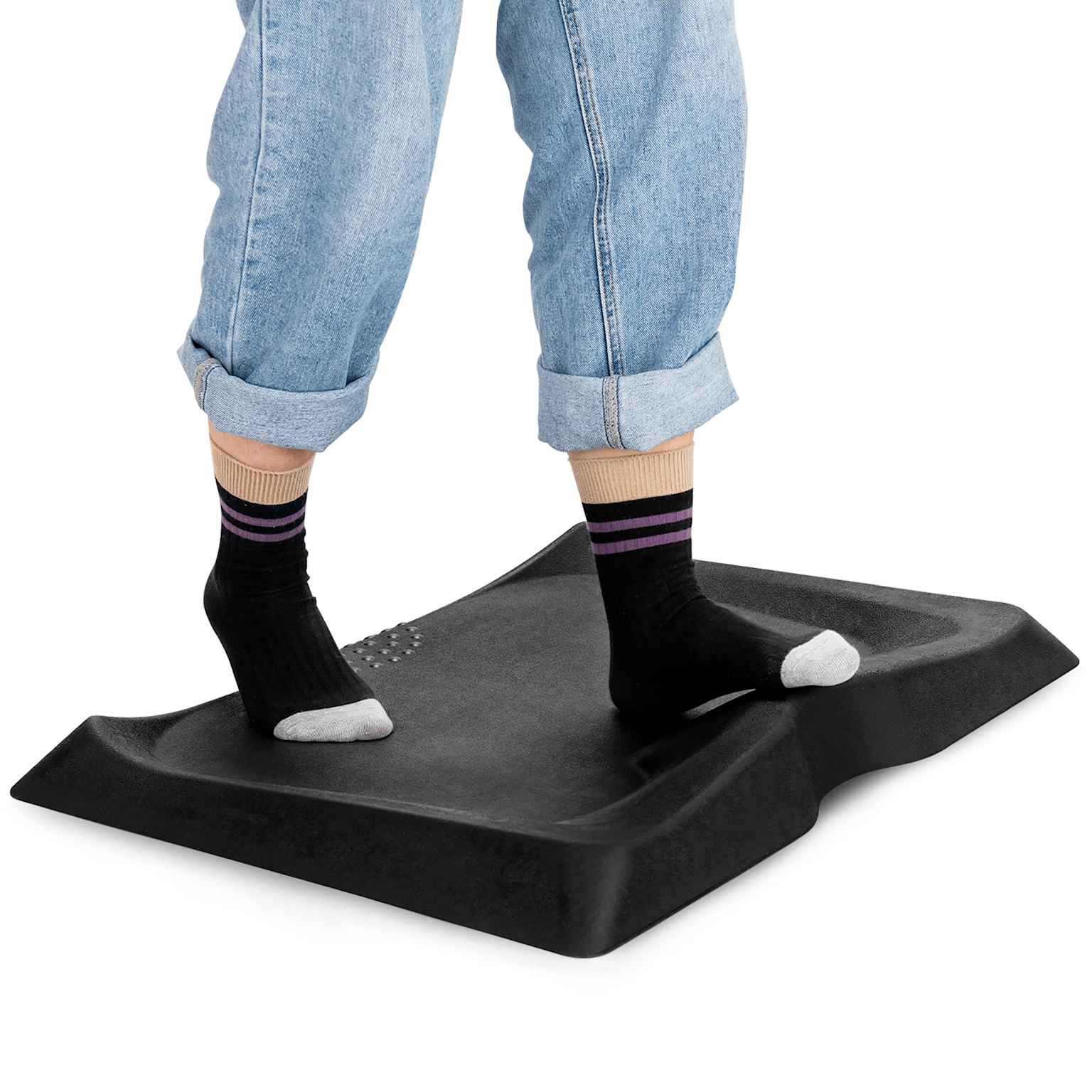
The E7 takes a clever hybrid approach: a stable, flat center surface that works for standing focus sessions, ringed by 3-inch sloped wedge edges designed for calf raises, ankle stretches, and active leg engagement. Occupational therapists specifically recommend this design for users who want dedicated movement zones but are cautious about tripping over dramatic terrain features. The 15-year warranty is among the longest in the category, and the mat pairs naturally with UPLIFT’s sit-stand desk lineup.
- Dedicated stretching wedges for calves and ankles
- Flat center surface — stable for focused work
- Excellent 15-year warranty
- Occupational therapist endorsed design
- Heavier than most mats (~8 lbs)
- Wide footprint — not ideal for compact desks
- Available primarily through UPLIFT Desk directly
If you already own or are planning to buy an UPLIFT standing desk, the E7 is the natural companion. The wedge edges genuinely add a stretching dimension to your workday that flat mats simply cannot offer. The 15-year warranty is exceptional. Available directly from UPLIFT Desk — worth visiting their site to compare size options before buying.
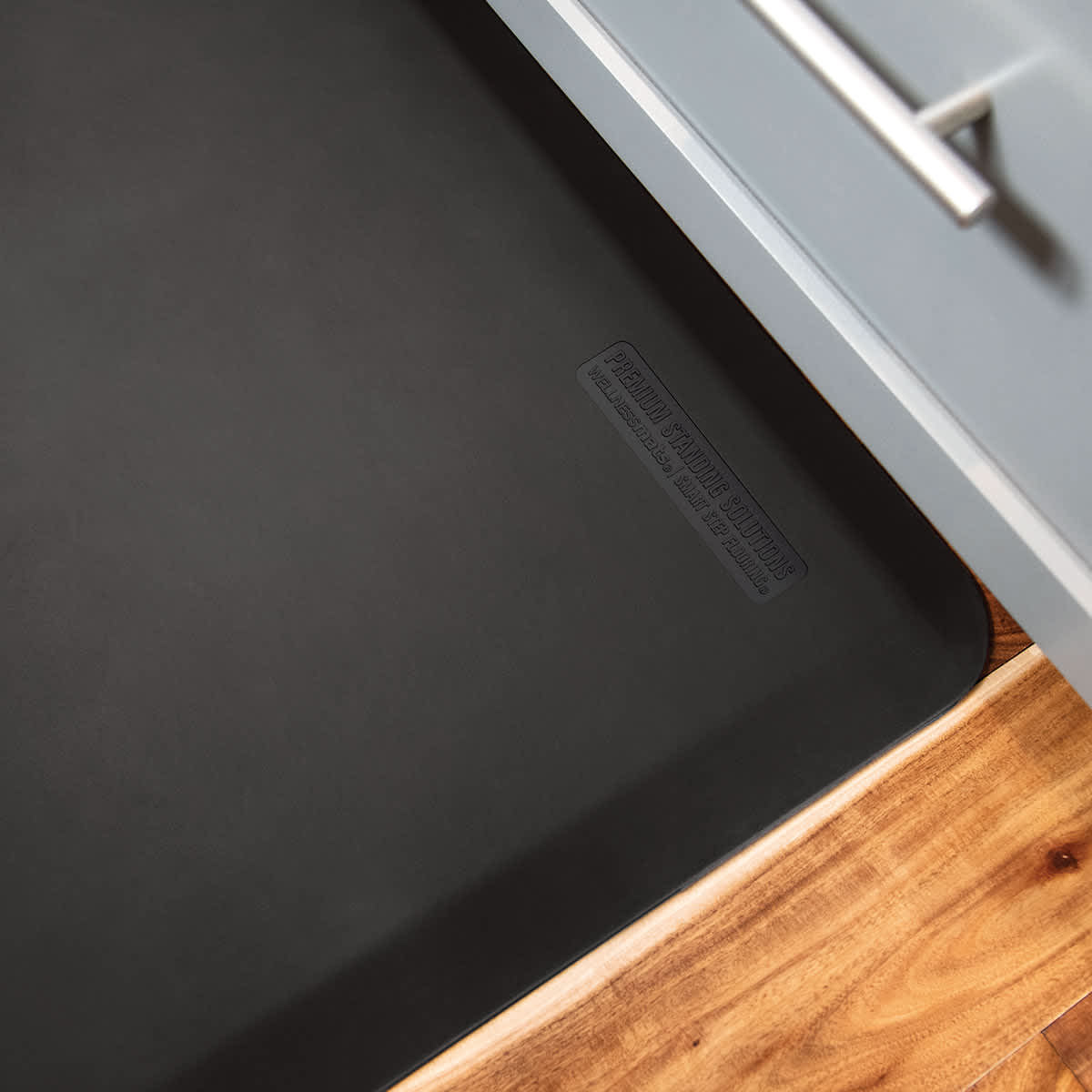
WellnessMats is the premium tier of the anti-fatigue mat world — and owners will tell you the price is justified the moment you step on one. The Original Collection is manufactured in the USA from 100% polyurethane, water-resistant, and available in multiple sizes and colors. The 20-year residential warranty is the longest in the entire category, and WellnessMats openly points out that amortized over two decades, the annual cost is $6–$10 — less than most budget mats that wear out and need replacing every couple of years.
- Best-in-class 20-year residential warranty
- Exceptional underfoot comfort — “walking on air” feel
- Water-resistant and easy to clean
- USA-made from 100% polyurethane
- Versatile — office, kitchen, garage
- High upfront cost
- No terrain features for active movement
- Available through specialty retailers; not always Prime-eligible
WellnessMats is the buy-it-for-life option in this category. If you stand five or more hours daily and want a mat that will outlast every other piece of furniture in your office, this is the one. The 20-year warranty is not marketing copy — it is backed by a brand that has been doing this for decades. Best suited for users willing to invest upfront for long-term comfort.
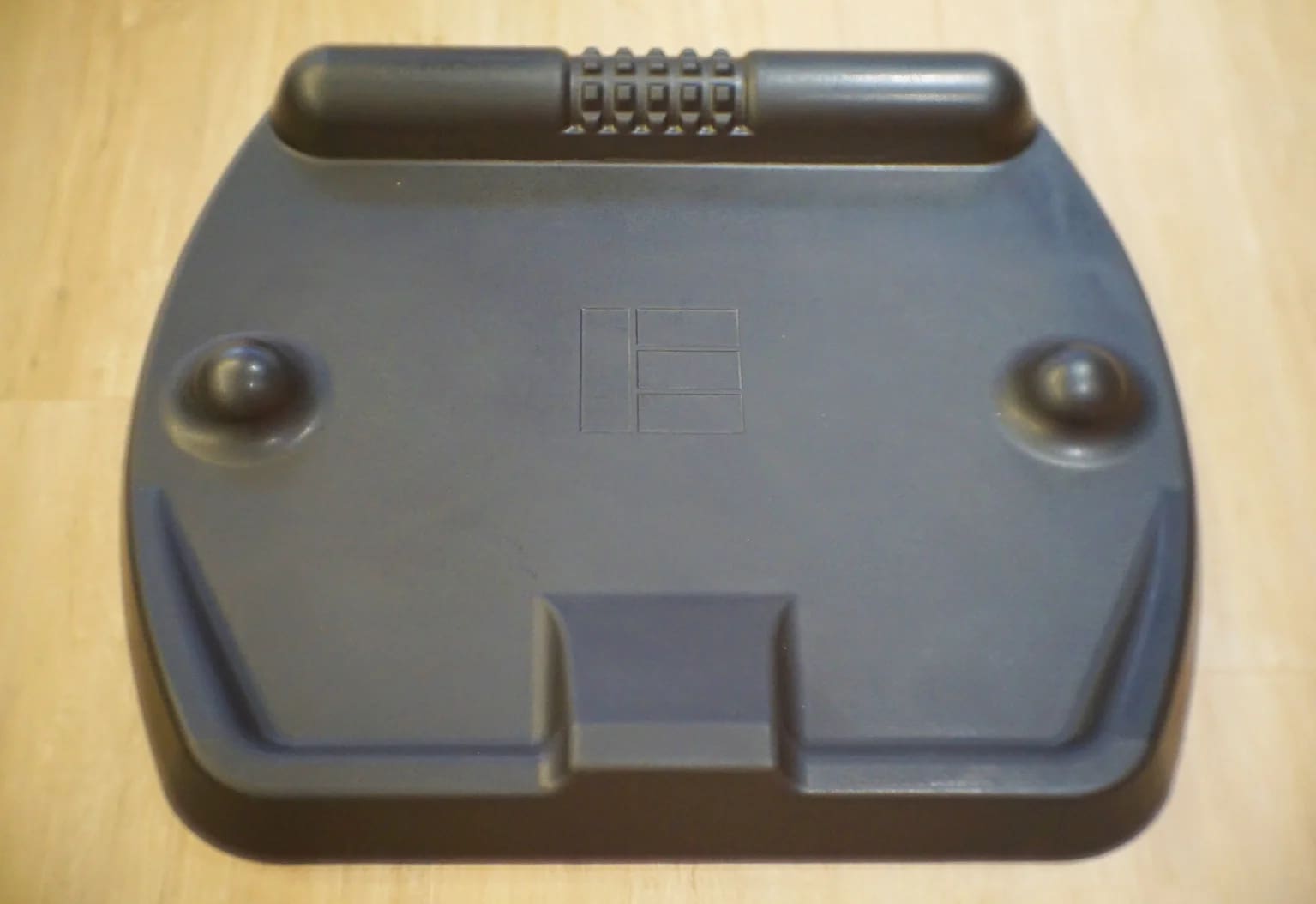
The TerraMat has the most generous flat standing area of any topographic mat on the market, surrounded by bold terrain features including a balance bar, massage mounds, and a power wedge for calf raises. It excels for users who prefer standing barefoot or in thin socks — the massage mounds are genuinely felt underfoot in a way that dress shoes would block entirely. The thick integral skin is among the most durable tested head-to-head, and CubeFit backs it with a full lifetime warranty.
- Lifetime warranty
- Best barefoot comfort of any topo mat
- Largest flat standing area in its class
- Multiple exercise and stretch features
- Passes stability tests on hard floors and carpet
- Terrain less effective in thick-soled shoes
- Fewer side-stance massage options than some users want
If you work from home barefoot or in socks and want a terrain mat that actually engages your feet rather than just cushioning them, the TerraMat is the standout option. The lifetime warranty and superior barefoot feel make it the top topo mat recommendation for home office users. Check CubeFit’s website directly for current availability and pricing.
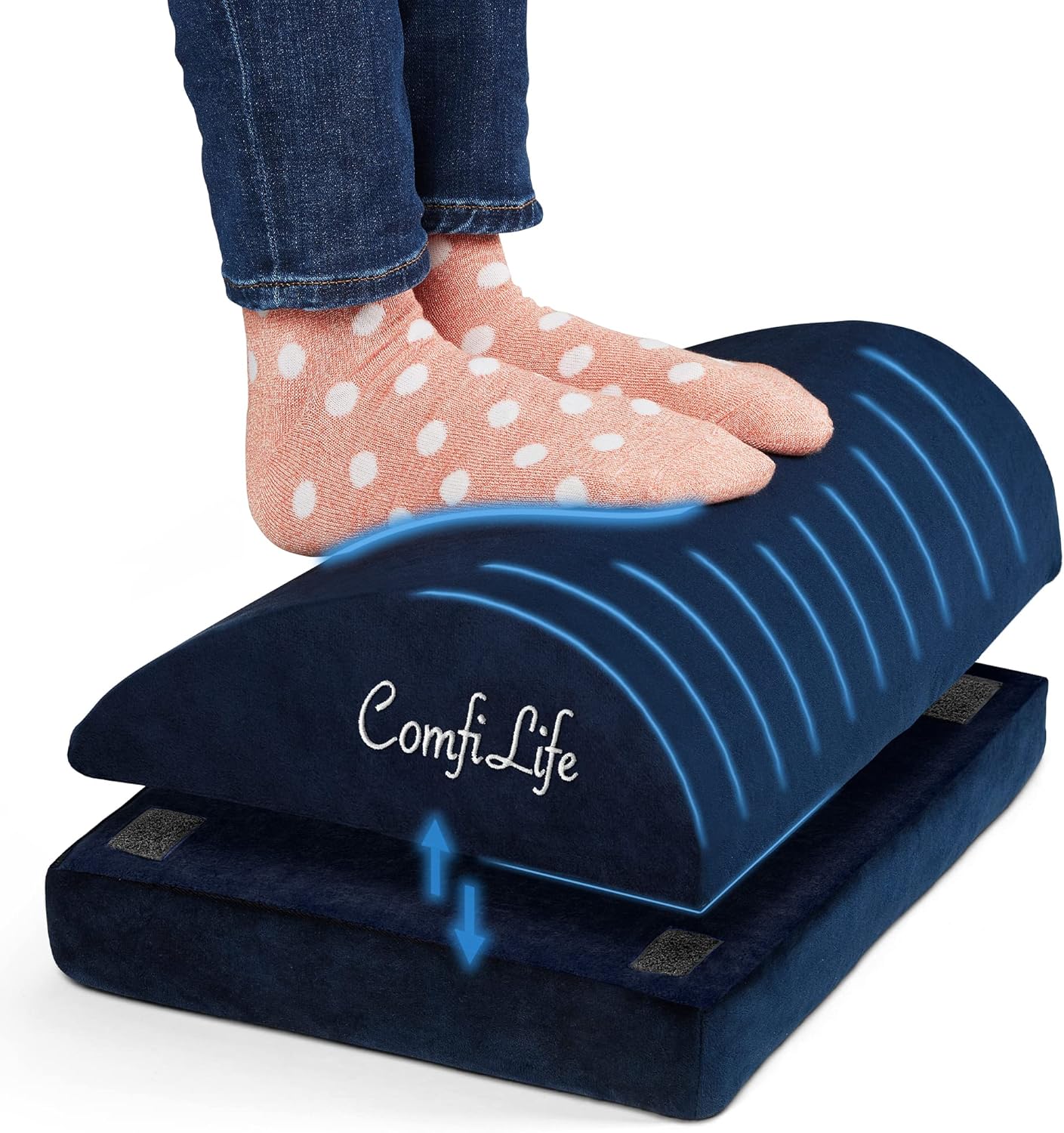
Not every product in this guide is a standing mat — and that is intentional. The ComfiLife foot rest is the essential companion for your sitting hours. Its ergonomic teardrop design in 100% memory foam elevates your feet off the floor during seated work, reducing pressure on the back of your thighs, improving hip alignment, and easing lower back and leg pain. It is adjustable in height and tilts to match your natural seated posture. If you alternate between sitting and standing throughout the day, this pairs perfectly with any mat on this list.
- 100% memory foam — genuine comfort upgrade
- Reduces hip and lower back pressure when sitting
- Adjustable tilt for personalized fit
- Pairs with any standing desk chair setup
- Non-slip base stays in place
- Sitting-use only — not a standing mat
- Memory foam can warm up with long use
A sitting foot rest is the overlooked half of any ergonomic desk setup. Most people spend at least some of their day seated, and the ComfiLife fills that gap beautifully. If you are building a complete, comfortable workstation — standing mat for your standing hours and this foot rest for your sitting hours — the combination makes a real, noticeable difference in how your back feels by end of day.
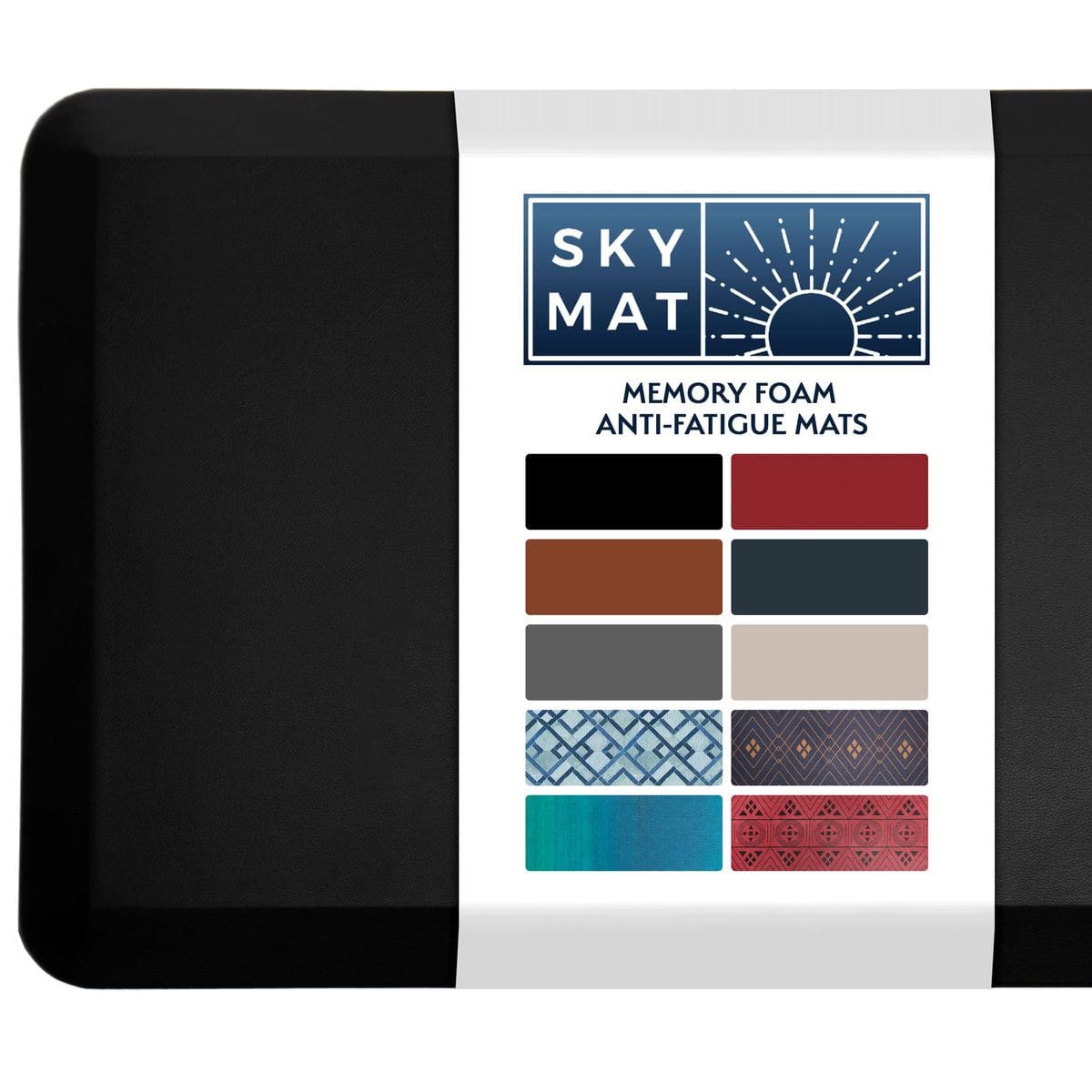
The Sky Mat is one of the most popular standing desk mats on Amazon, and it earns that reputation with consistent, no-frills comfort at a price that removes the hesitation from first-time buyers. It comes in multiple sizes and colors, resists surface scratches and staining, and is backed by a lifetime warranty. Its three-layer PVC foam construction is less durable than single-piece polyurethane options, but for users who are not yet standing eight hours a day or who want a low-risk entry point, it delivers well above its price.
- Excellent price-to-comfort ratio
- Wide range of sizes and colors
- Beveled edges reduce trip hazard
- Non-slip base grips most floor types
- PVC foam degrades faster than polyurethane
- Layered construction may separate with heavy daily use
- Warranty is replacement-only, not full refund
A perfectly respectable starting point if you are new to standing desks and not yet sure how many hours a day you will actually stand. The Sky Mat proves the concept at a low cost. If you end up standing seriously, upgrade to the CumulusPRO or GelPro Eco-Pro within a year or two. Check current availability and pricing directly on Amazon.
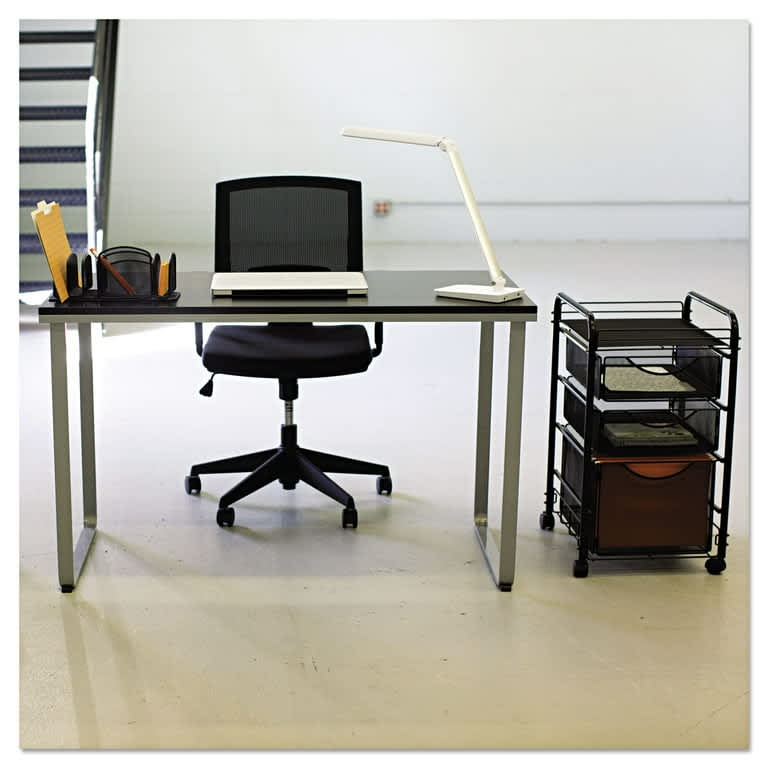
The Safco is the quiet professional’s anti-fatigue mat — no terrain features, no bold branding, just a well-engineered 1-inch-thick slab of self-skinning polyurethane that is puncture-resistant and exceptionally easy to clean. It is one of the few mats designed with molded glides on the underside, so you can push it in and out from under your desk using your foot — a small but genuinely useful detail for sit-stand users who transition frequently. Occupational therapists recommend this model specifically for users who prefer a “less is more” approach.
- Molded glides — move it without bending over
- Self-skinning surface is puncture and scuff resistant
- Full 1-inch cushion depth
- Minimal, clean aesthetic — office-appropriate
- Easy to clean — just wipe down
- No terrain or movement features
- Standard warranty — not lifetime
- Available in black only
The Safco is Mr. Hippo’s pick for anyone who wants a no-fuss, professional-looking mat that simply works and stays out of the way. The foot-glide feature alone is underrated — when you are transitioning between sitting and standing ten times a day, not having to bend down and drag the mat around is a genuine quality-of-life improvement. A solid, unpretentious choice.
Quick Comparison — All Picks Side by Side
Use this table to quickly match a mat to your needs. Clicking “View” for Amazon-linked products will take you to the current price.
| Product | Type | Material | Thickness | Warranty | Best For | Link |
|---|---|---|---|---|---|---|
| Ergodriven Topo Top Pick | Topo / terrain | PVC-free PU | Up to 1.5″ | 7 years | Best overall movement | View |
| GelPro Eco-Pro | Flat | 100% PU (USA) | 3/4″ | 5 years | Best flat mat | View |
| Imprint CumulusPRO | Flat | PU + linen surface | 3/4″ | Lifetime | Best value + warranty | View |
| UPLIFT E7 | Hybrid flat + wedge | PU foam | 1″ + 3″ edges | 15 years | Best for stretching | Via UPLIFT Desk |
| WellnessMats Original | Flat | 100% PU (USA) | 3/4″ | 20 years | Best premium long-term | View |
| CubeFit TerraMat | Topo / terrain | Single-piece PU | ~3/4″ base | Lifetime | Best barefoot topo | Via CubeFit |
| ComfiLife Foot Rest | Under-desk foot rest | Memory foam | Adjustable | Lifetime | Sitting comfort companion | View |
| Sky Mat | Flat | 3-layer PVC foam | 3/4″ | Lifetime (repl.) | Best budget entry | Search Amazon |
| Safco Anti-Fatigue | Flat | Self-skin PU | 1″ | Standard | Clean minimal office use | View |
How to Choose the Right Standing Desk Mat
Five key criteria determine whether a mat actually helps — or just collects dust under your desk.
Flat vs. Topographic (Topo)
Flat mats cushion; topo mats cushion and move you. Choose flat if you have balance concerns, wear heels, or share the mat between kitchen and office. Choose topo if you are an experienced stander who wants the ergonomic benefits of continuous micro-movement and calf engagement.
Material: Polyurethane vs. PVC Foam
Single-piece polyurethane is the gold standard — resilient, bounce-back cushion, integral skin that resists peeling, and longevity measured in years rather than months. PVC foam mats are cheaper but degrade faster and are prone to layer separation under daily heavy use. If you stand more than two hours a day, buy polyurethane.
Thickness: The Sweet Spot
The ideal thickness for most standing desk mats is 3/4 inch to 1 inch. This range provides meaningful joint pressure relief without creating an unstable footing. Mats below 1/2 inch rarely deliver enough cushioning. Mats above 1.25 inches can cause ankle fatigue during prolonged use — especially in socks or bare feet.
Floor Compatibility
Hard floors (hardwood, tile, vinyl) need mats with smooth, non-marking rubber bases. Carpet floors need textured rubber grips on the underside — never use a hard-floor mat on carpet, as smooth undersides will slide. If you have low-pile carpet and want a topo mat, confirm the specific model has been stability-tested on carpet before buying.
Warranty & Longevity
A mat’s warranty tells you how confident the brand is in their material. A true lifetime warranty with full refund (Imprint CumulusPRO) is more valuable than a pro-rated or replacement-only warranty. The WellnessMats 20-year warranty is the gold standard. Budget mats with “lifetime warranties” often only cover replacement with a new budget mat — read the fine print.
Size: Match Your Stance Width
A standard 20″ × 32″ mat suits most users. If you are taller than 6’0″ or prefer a wide stance, consider 24″ × 36″. For compact desk setups or secondary workstations, the 20″ × 30″ size is sufficient. Topo mats are typically smaller than flat mats — the Ergodriven Topo Mini (17.5″ × 21″) works well for desks under 48 inches wide.
Standing Desk Mat Glossary
A quick reference for the terms you will encounter while shopping.
A mat designed specifically to reduce the physical fatigue caused by prolonged standing on hard surfaces. Works through cushioning and subtle instability that triggers continuous micro-movements in the leg muscles, keeping circulation active.
An anti-fatigue mat with a three-dimensional terrain surface — ridges, domes, slopes, wedges — designed to encourage foot repositioning, heel raises, and postural shifts while standing. Examples include the Ergodriven Topo and CubeFit TerraMat.
The material used in the highest-quality anti-fatigue mats. Dense, shock-absorbing, and resilient — it returns to its original shape quickly after compression. Single-piece injection-molded polyurethane with an integral skin is the most durable construction.
A manufacturing technique where the outer surface of a polyurethane mat is formed as a seamless part of the same material — not a separate vinyl or fabric layer applied on top. Integral-skin mats do not peel, separate, or delaminate over time.
A hybrid product that functions as both a floor-protecting chair mat (for rolling your office chair on) and a standing anti-fatigue pad. Useful for small desks or home offices where you want a single floor product covering your full desk footprint.
A mat made primarily from rubber foam — common in commercial and industrial environments where durability and slip resistance are critical. Rubber mats are typically heavier, more resistant to chemicals and oils, and better for garage or industrial standing desk setups.
A broad term for any mat designed with human body mechanics in mind for standing workstations. Encompasses both flat anti-fatigue mats and topo mats. Look beyond the label — the material, thickness, and construction determine actual ergonomic benefit more than marketing language.
Frequently Asked Questions
Do anti-fatigue mats actually work for standing desks?
Yes — with a significant caveat: quality matters enormously. Biomechanics research confirms that standing mats reduce lower limb fatigue, optimize plantar pressure distribution, and support neuromuscular efficiency during prolonged standing. Gel-based mats show up to 50% greater fatigue reduction compared to standing on bare floors. Budget PVC foam mats provide some relief but degrade quickly and deliver noticeably less benefit than quality polyurethane options.
Should I get a flat mat or a topo mat?
Choose a flat mat if you have balance concerns, wear heels or orthopedic shoes, or use your mat in multiple environments (office and kitchen). Choose a topo mat if you are comfortable standing for extended periods, primarily stand barefoot or in thin-soled shoes, and want the mat to actively promote movement and lower-leg conditioning. First-time standing desk users almost always do better starting with a flat mat.
Can an anti-fatigue mat work on carpet?
Most flat anti-fatigue mats with textured rubber bases work well on low-pile carpet. High-pile or thick carpet can make mats feel unstable and reduce their ergonomic effectiveness. Topo mats vary significantly in stability on carpet — always check the specific product’s floor compatibility before purchasing if you have carpet. Adding non-slip liner strips beneath a sliding mat is an inexpensive fix if needed.
How do I protect hardwood floors with a standing desk chair mat?
Use a mat with a smooth, non-marking rubber underside — never a carpet-style spike mat on hardwood. For the best floor protection, consider a hybrid anti-fatigue chair mat that covers both your chair’s rolling zone and your standing footprint. Hard-clear polycarbonate chair mats are another option for large floor coverage but do not provide any anti-fatigue cushioning. The UPLIFT hybrid chair mat with standing cushion is the cleanest all-in-one option for this use case.
How thick should a standing desk mat be?
The ergonomic sweet spot is 3/4 inch to 1 inch of quality foam. Below 1/2 inch, you will feel the hard floor through the mat after an hour of standing. Above 1.25 inches, the mat becomes unstable and can increase ankle fatigue. The material matters as much as the measurement: 3/4 inch of polyurethane cushions significantly better than 3/4 inch of budget PVC foam.
How do I clean an anti-fatigue standing desk mat?
For most polyurethane and foam mats, wipe the surface with a damp cloth and a small amount of mild dish soap, then air dry flat. Avoid harsh cleaners, bleach, or ammonia, which can degrade the foam over time. For textured topo mats, use a soft brush to clean ridges. Never machine-wash a standing mat — moisture trapped inside the foam can lead to mould or permanent compression damage. Most quality mats only need a quick wipe-down once a week for normal home office use.
Is a standing desk mat worth it if I only stand an hour a day?
Absolutely. Even one hour of daily standing on bare hardwood creates measurable joint compression and leg fatigue over weeks and months. A quality mat costs less than one month of a standing desk subscription service and lasts years. If you are using a standing desk at all, a mat is the single highest-impact ergonomic accessory you can add — more impactful than most monitor arms, keyboard trays, or cable management solutions at the same price point.